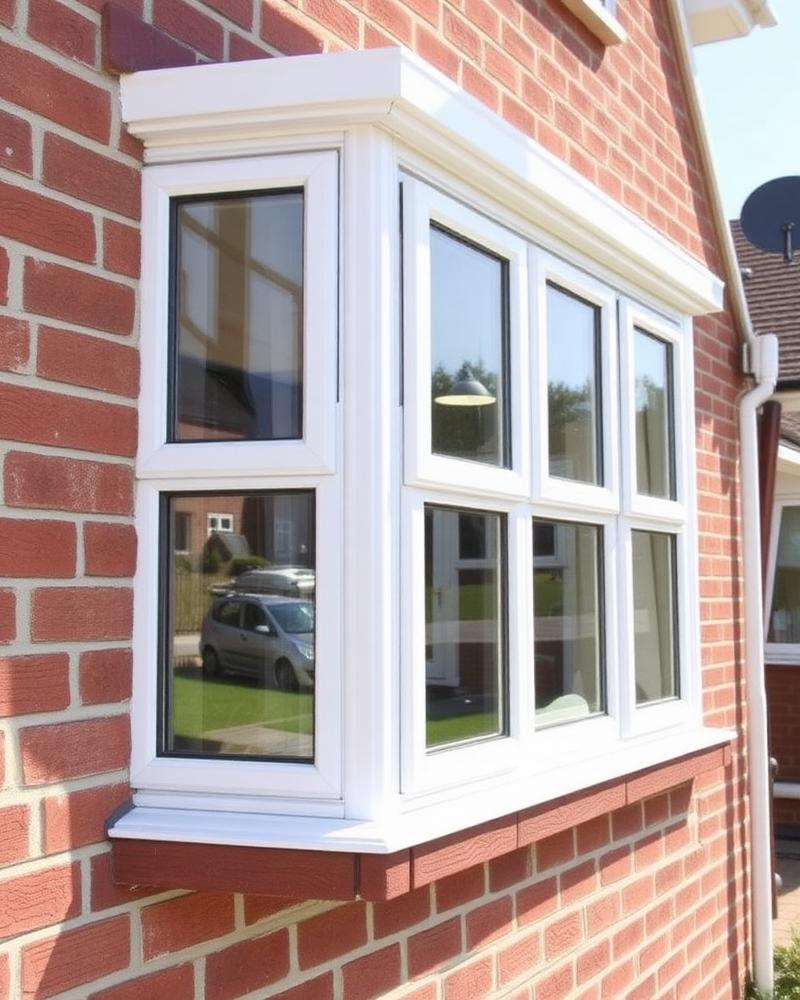
What background ventilation does
Opening a window clears steam or cooking smells quickly, but few people leave windows open all night in winter. A trickle vent provides background ventilation instead: a small, controllable flow of air that carries moisture out of the room gradually. Most have a slider or flap, so the occupant can close them on a windy day and open them again afterwards.
Older single glazing often let air in around loose sashes. Modern sealed frames stop that draught, which is welcome, but they also remove an accidental source of fresh air. Without another route for ventilation, moisture from breathing, showers and drying laundry can settle on the coldest surfaces in the room.
Do I need trickle vents when replacing windows?
Replacement windows come under Building Regulations, and the ventilation guidance in Approved Document F applies to them. The broad principle is that new windows should not leave a room with poorer ventilation than it had before. Where the old windows had trickle vents, replacements would normally include them too, and rooms without another suitable means of ventilation may need them added.
Which applies depends on the room, the existing windows and any other ventilation already in place, such as extractor fans. Rather than guess from a neighbour's choice, raise it at the survey. Each opening can then be considered individually, so vents are specified where they serve a purpose and the window schedule in the written quote shows the decision clearly.
uPVC windows without trickle vents
Many homes have uPVC windows that were fitted without vents, and some owners find condensation on the glass every cold morning. Trickle vents installation into an existing frame is sometimes possible: slots are routed through the head of the frame and a vent and canopy are fitted over them inside and out.
Retrofitting is not suitable for every frame. The profile must have enough depth at the head to take the slots without weakening it or cutting into reinforcement, and the vent must suit the frame colour. A survey looks at the profile first, then advises whether retrofit vents make sense or whether ventilation is better improved another way.
Choosing vents that suit the room
Vents vary in airflow, size, colour and the noise they let through. In a bedroom facing a busy road, a vent designed to reduce sound may be worth considering. In a bathroom or kitchen, an extractor fan normally handles moisture at source, with the vent providing steady background air the rest of the time.
Colour matters more than people expect, because the vent sits at eye level across the top of the window. White, anthracite grey and woodgrain frames all suit different finishes, and a vent that matches the frame reads as part of the window rather than an addition. Ask to see the type proposed before it is fitted.
Living with trickle vents
Vents only help if they are open. Leaving them open through autumn and winter, closing them briefly in a gale, usually gives the most even result. Dust and insects can collect behind the cover, so an occasional clean with a soft brush keeps the airflow clear. Avoid painting over the slots or sealing them with tape.
If condensation is a wider concern, our draughty windows and windows pages explain how frames, glass and seals work together. Fairway Window Systems Ltd offers a free home survey and written quote, whether you are replacing windows or adding vents to frames you already have.
Frequently asked questions
Do I need trickle vents?
When you replace windows, the room should not end up with poorer ventilation than before. If the old windows had trickle vents or the room has no other suitable ventilation, vents are usually needed. The survey checks each room.
Can trickle vents be fitted to existing uPVC windows?
Often, where the frame head has enough depth for the slots without weakening the profile. The frame is checked first before retrofit vents are recommended.
Do trickle vents make a room cold?
They let in a small, controlled amount of air rather than a draught, and most can be closed when it is windy. Background ventilation helps reduce condensation.
Can I keep trickle vents closed?
You can close them temporarily, but they only reduce moisture when open. Leaving them open through the colder months usually gives the best result.