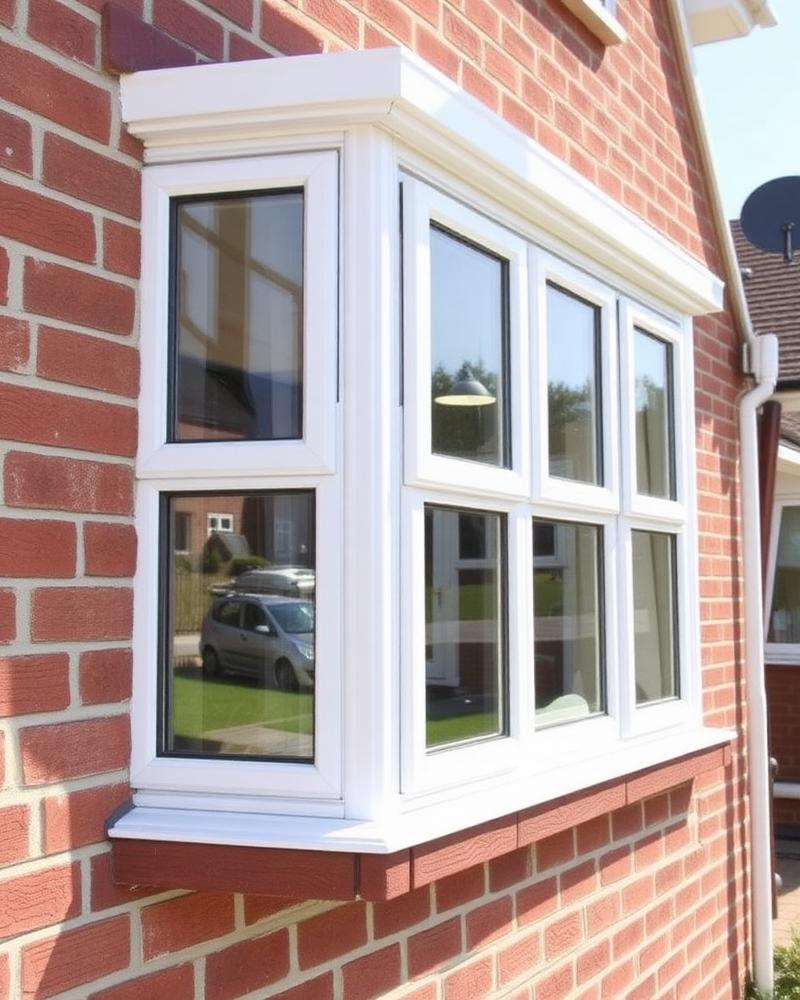
Telling a handle fault from a hinge fault
A handle that turns freely without moving the locking points usually means the mechanism inside the handle or the gearbox behind it has worn. A sash that catches at the bottom corner as it closes, or leaves a gap at the top when shut, points more towards the hinges. Note exactly what the window does and when, because the symptom narrows down the cause far faster than guessing at parts.
Avoid forcing a stiff handle or pushing a dropped sash into place. Extra leverage can strip the spindle, bend a hinge or crack the sash corner, turning a simple repair into a larger one. Our guide to window hinge and handle failures explains the common warning signs in more detail.
Window hinge replacement on side-hinged windows
Side-hinged windows hang their whole weight on a pair of friction hinges. Over time the hinges can wear, corrode or work loose from the frame, and the sash begins to sit out of square. Window hinge replacement means matching the hinge size, stack height and fixing positions to the existing profile, which is why an assessment matters more than the age of the window.
uPVC window hinge problems often show up first as a draught along one edge or a lock that needs lifting to engage. If the sash has moved, the locking points no longer meet their keeps cleanly, so a hinge fault can look like a lock fault. A proper inspection separates the two before any parts are chosen.
uPVC door hinge adjustment
The same principles apply to uPVC doors. A door that rubs the threshold or catches the frame may need hinge adjustment rather than new parts, but adjustment only helps when the hinges and fixings are still sound. Where a door has dropped because the hinges have worn, adjustment alone will not hold.
For door locking faults specifically, see our uPVC door repairs page, and for a wider view of repair against replacement, read about window and door repairs.
What affects window handle replacement cost
Window handle replacement cost depends on the handle type, the locking mechanism it drives and whether the fault stops at the handle or extends into the gearbox and keeps. A like-for-like handle swap is a different job from replacing a full espagnolette mechanism, and access to upper floors can change the work involved.
A written quote after inspection is more useful than a generic figure, because it names the actual parts and labour for your windows. Fairway Window Systems Ltd provides a free home survey and a written quote, so you can see exactly what is proposed before any work is agreed.
Repair or replace the window?
Hardware repair makes most sense when the frame and sealed units are still in good condition. If the frame has warped, the glass has failed and several hinges and handles are all worn at once, it is worth comparing the repair scope against the replacement window range on a fair basis.
At the survey we will say plainly which faults are worth repairing and which suggest the window is near the end of its useful life. You get a clear written scope either way, so the decision is yours.
Frequently asked questions
Can a broken window handle be replaced on its own?
Often yes, if the fault is in the handle itself and a compatible replacement is available. If the gearbox or locking strip behind the handle has also failed, the scope widens. An inspection confirms which applies.
Why does my window only close if I lift the sash?
That usually means the sash has dropped on its hinges. The hinges may be worn, loose or corroded. Do not keep forcing it, as the locking points can be damaged; ask for an assessment.
Do you repair hinges on older uPVC windows?
Hinge replacement depends on matching the hinge size and fixings to the existing profile. Many older profiles can still be matched, but that has to be checked at survey rather than assumed.
Is a draughty window always a hinge problem?
No. Draughts can come from worn seals, a dropped sash, failed hinges or frame movement. The survey identifies which, so you do not pay for parts that will not solve the symptom.