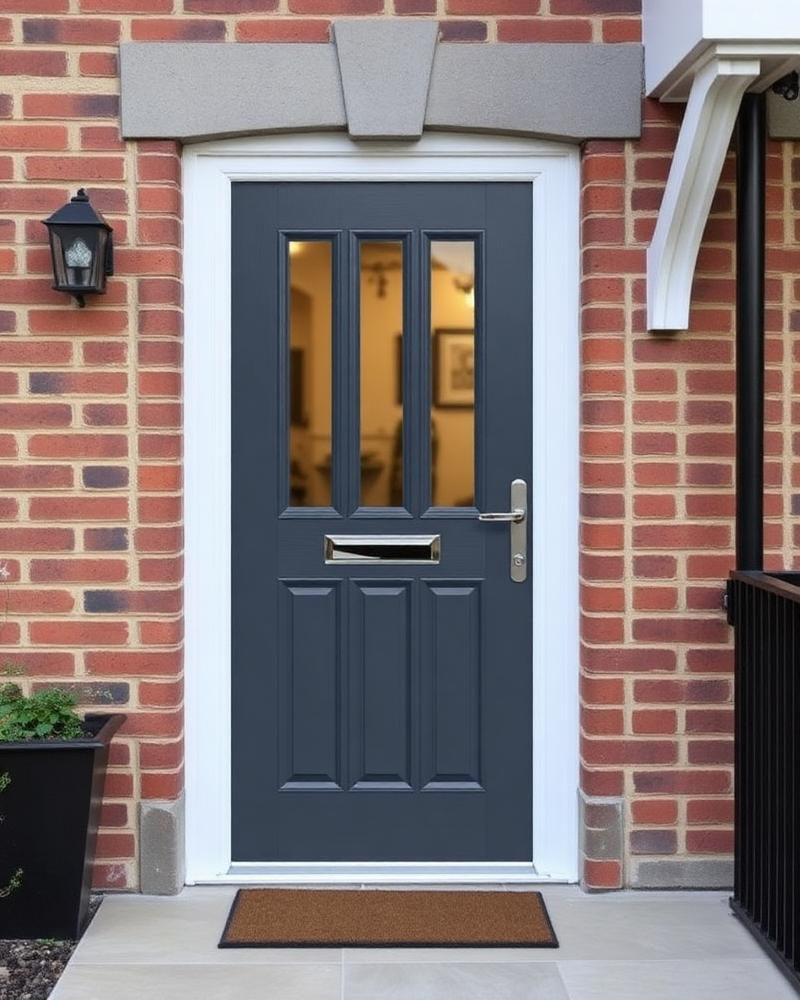
Signs a door handle needs replacing
A handle that droops instead of springing back to level often has a broken internal spring. One that wobbles may simply have loose screws, which can be tightened, or a cracked backplate that cannot. A handle that snaps or bends usually needs replacing straight away, especially if it is the only way to lift the lock on that door.
It is worth separating a handle fault from a lock fault. If the handle moves freely but the door will not lock, the problem is more likely the gearbox or mechanism inside the door. Our uPVC door lock replacement page explains those parts and how they are renewed.
Matching the handle to the door
uPVC door handles are not universal. The distance between the spindle and the cylinder hole, known as the centres, must match the lock in the door. The screw positions, the backplate length and the spindle size also need to line up, or the handle will not fit without drilling new holes into the door panel.
Doors also differ in whether the handle lifts to lock or the key alone locks the door, and whether the handle works on both sides. Lever-lever handles operate from inside and out; lever-pad handles have a fixed pad outside, common on front doors. Checking these details means the replacement works the same way as the old one.
Choosing a style and finish
Once the fit is right, the style is down to taste. Chrome, satin, gold-effect, black and white finishes are all common, and the handle can be matched to letterplates, knockers and hinges for a consistent look. On a front door, the handle is one of the first things visitors see, so it can lift the whole entrance.
Consider who uses the door, too. A firmer, larger lever is easier for some hands to grip, and a handle with a robust spring is less likely to droop with heavy use. Back and side doors used throughout the day benefit from hard-wearing finishes that cope with frequent handling.
Door handles and window handles are different jobs
Door handles work multipoint locks along the full height of the door, while window handles operate espagnolette mechanisms in the window sash. The parts, fixings and sizes are different. For window handles, hinges and stiff openers, see our window handle and hinge repairs page.
If a door has several problems at once, such as a drooping handle, a stiff lock and a door that catches the frame, it may need adjusting as well as a new handle. Our uPVC door repairs page covers dropped doors, hinges and seals alongside handle work.
Arranging a replacement
When you get in touch, mention whether the handle is loose, drooping or broken, and whether the door still locks. A photograph of the handle and the door edge helps identify the lock and centres before the visit. If the door cannot currently be secured, say so when you use the existing enquiry form.
Fairway Window Systems Ltd offers a free home survey and written quote, covering the handle and any related adjustment the door needs. That way you know the new handle will fit, lift the lock smoothly and suit the rest of the door hardware.
Frequently asked questions
What is involved in replacing a uPVC door handle?
The old handle is removed, the centres, spindle and screw positions are matched, and the new handle is fitted and checked so it lifts the lock and returns to level.
How long does uPVC door handle replacement take?
Fitting a matching handle is usually a short job. It takes longer if the door also needs adjusting or the lock behind the handle has a fault.
What affects the cost of a new uPVC door handle?
The handle type and finish, whether it is lever-lever or lever-pad, matching the centres and whether any adjustment or lock work is needed at the same time.
Will any uPVC door handle fit my door?
No. The centres, screw positions, backplate and spindle must match the lock in your door, otherwise the handle will not fit or operate correctly.